

Why Silicon Valley Demands "Proof" in 2026
Plus, why your hybrid and AI initiatives keep repeating the same mistakes

👋 Happy Tuesday! Return to office is happening—but only for men. The share of men working from home decreased from 34% in 2023 to 29% in 2024, while the remote work rate for women remained steady at 36%, according to U.S. Bureau of Labor Statistics data. The result is what Disaster Avoidance Experts CEO Dr. Gleb Tsipursky calls "a quiet re-segregation of labor": women secure autonomy at the cost of in-office visibility, while men win face time but surrender work-life balance.
In this week’s edition:
👀 Silicon Valley’s “Prove It” Year
🗞️ Top Flexible Work News
🤖 Why Your Change Initiatives Keep Failing
Current Subscribers: 10,428
Please forward to colleagues and friends!
THIS WEEK’S FLEX FOCUS 🔍
Silicon Valley's "Prove It" Year

2026 is shaping up to be Silicon Valley’s accountability year. Amazon now lets managers track badge swipes to flag workers brushing off RTO mandates and revised performance reviews to focus on individual accomplishments. Meta monitors workers’ AI usage through dashboards and simplified reviews with a winner-take-all approach. Microsoft and Google also changed how they rate employees to incentivize outsize performance.
The pressure stems from massive AI investments that haven’t yet delivered expected returns. Now, RTO mandates double as compliance tests—a way to push out workers unwilling to return while justifying the employees who remain.
One business school professor suggests the sunnier interpretation: leaders feel compelled to better justify the people they employ to protect their jobs. Either way, productivity isn’t assumed anymore—it has to be proven through dashboards and metrics.
FLEX WORK QUICK HITS 💥
Stay ahead of the curve with our curated roundup of the trending flexible work stories making waves right now. Here's what you need to know 👇
Bloomberg: Oracle offers tens of thousands in incentives to fill Nashville roles, but workers are hesitant—many positions require five days in the office and fall into lower pay bands than California or Seattle.
Banking Dive: PNC mandates 5-day office return starting May 4 as CEO Bill Demchak says remote work "hurts" companies and argues being in the office "fuels collaboration and sparks innovation”.
Fortune: "Microshifting"—working in short 45-90 minute bursts throughout the day rather than continuous 9-to-5—is moving mainstream as 65% of workers show interest, but labor experts warn schedule autonomy can morph into expectation, stretching work across 14-16 waking hours.
FLEXPERT INSIGHTS 🧠
The Real Reason Hybrid, AI, and Change Initiatives Keep Failing
Why do organizations keep repeating the same mistakes with hybrid work, and are they now doing the same with AI? Brian Elliott unpacks this question in the latest Digital HR Leaders podcast with host David Green.
Despite years of data, the hybrid debate continues to create tension between leaders and employees. Brian explores striking parallels between how organizations handled hybrid work and how they’re approaching AI adoption—including how AI is reshaping entry-level roles, the biggest barriers to changing established ways of working, and why leadership behavior ultimately determines whether change sticks.
COMPANY SPOTLIGHT ✨
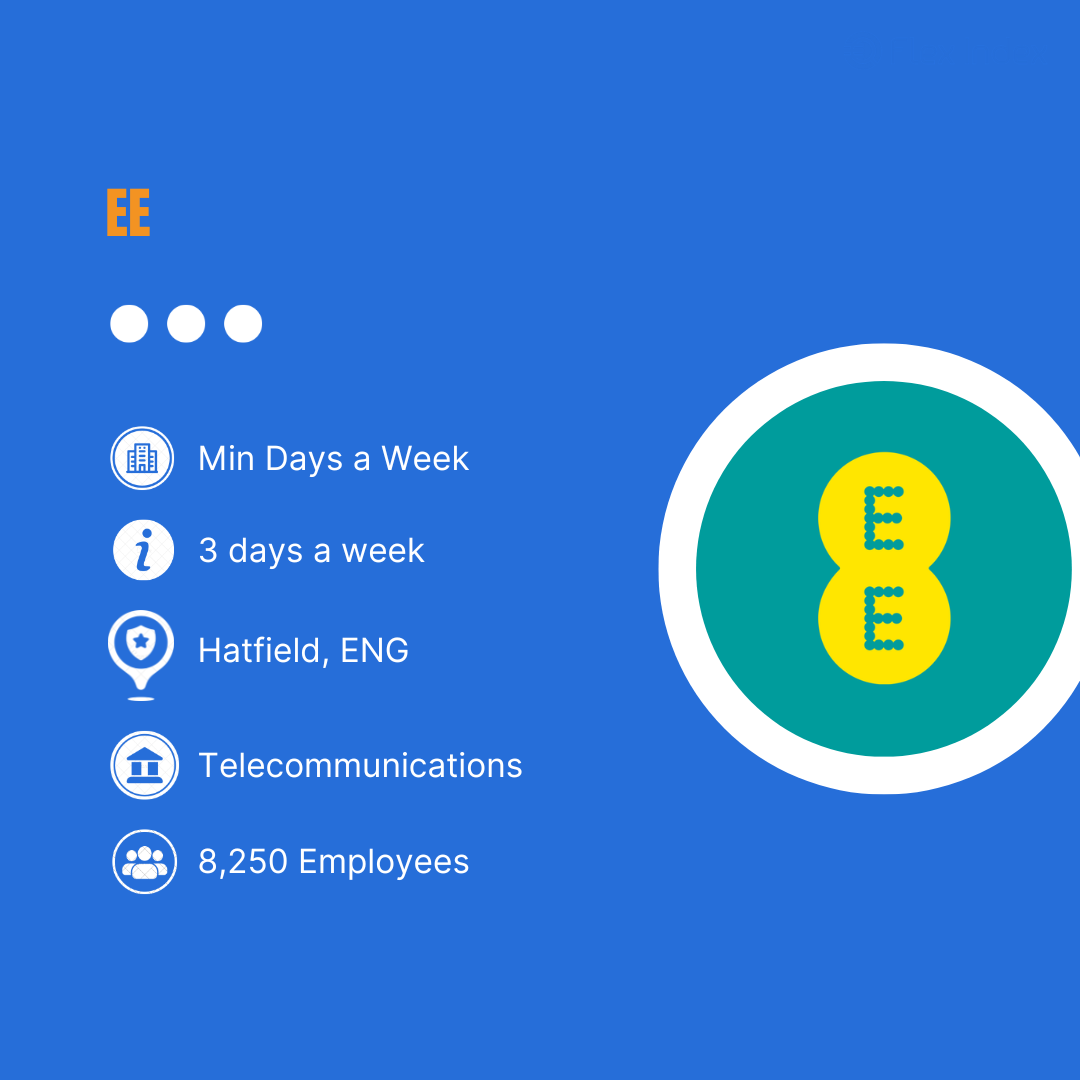
Founded in 2010, EE (Everything Everywhere) is the largest 4G network and mobile provider in the UK, offering telecommunication services including broadband and mobile connectivity. The company, headquartered in Hatfield, England, envisions connecting people to everything, and their mission is to create the best network and best services so customers trust EE with their digital lives.