

Is Isolation the Real Remote Work Problem?
Plus, the lobby is easy. The work upstairs is hard.

👋 Happy Tuesday! Workers in remote-capable jobs have seen a 58% rise in hours spent alone compared to people in jobs that can't be done remotely. This week, we're examining what remote work is actually doing to people and what flexibility really costs when it's not designed right.
In this week’s edition:
😔 The Hidden Cost of Remote Work
💃 How 2 Minute Breaks Can Save Your Life
🏢 Return on Place Stops at the Lobby
Current Subscribers: 10,403
Please forward to colleagues and friends!
THIS WEEK’S FLEX FOCUS 🔍
Mental Health & Remote Work: The Missing Piece
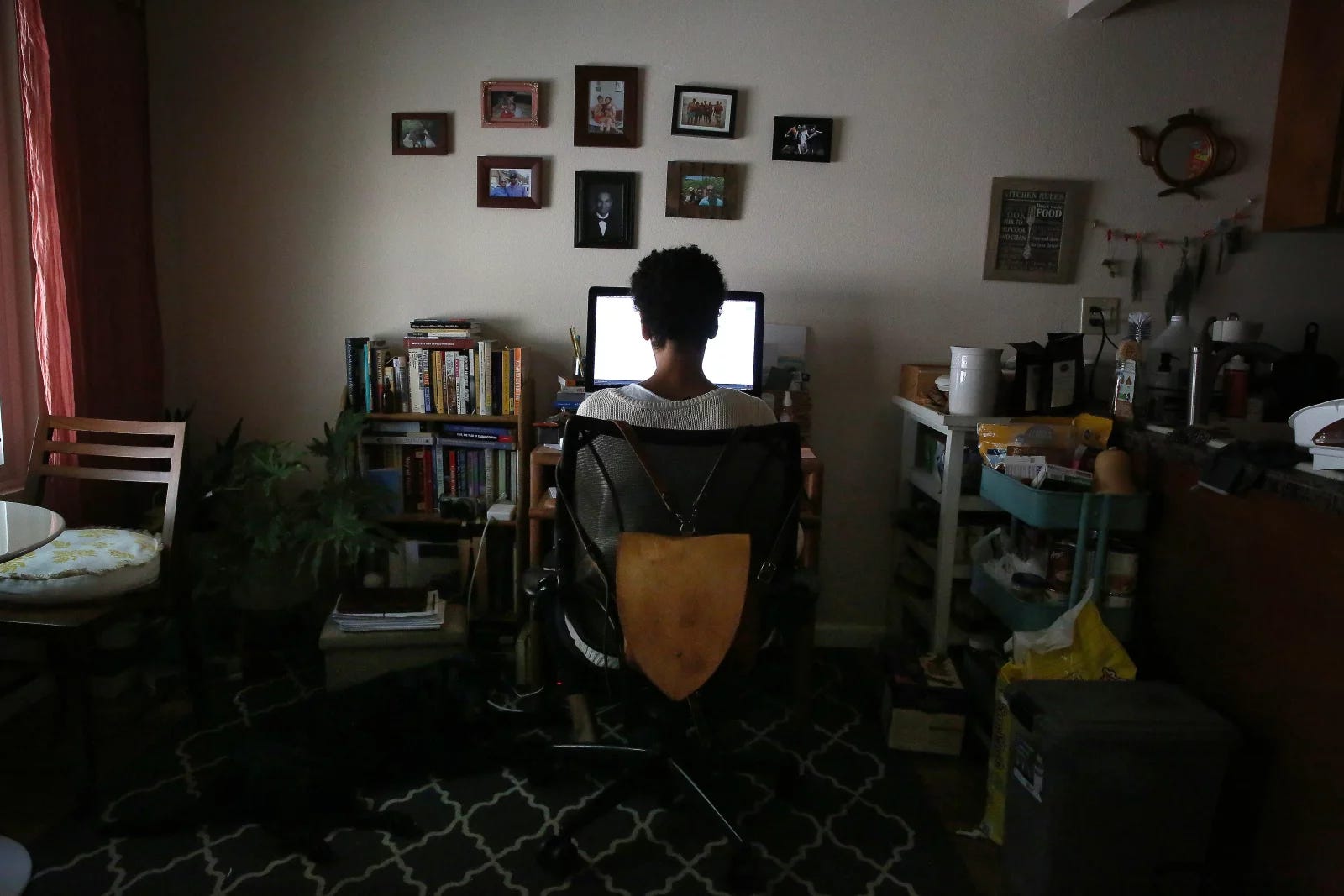
A new study in the journal Science found that remote workers had more depression, anxiety, and mental health visits than people in office jobs. That data is stark—58% more hours alone, 72% spending entire days with zero human contact. The study itself has flaws, as Stanford’s Nick Bloom has pointed out: it’s correlation, not an experiment, and therefore odds are equal that people who face more stress are pushing for more WFH.
On top of that, the study specifically looks at people in remote-capable (or “remotable”) jobs, not necessarily people who are actively working remotely.
But here’s what really matters: the problem isn’t remote work. It’s remote work without intentional connection design.
People will trade 4-10% of their salary for flexibility. That tells you how much they value it. The issue is that most companies treat remote work as a default, not as something that requires design around connection. Firms cut back on gatherings, travel budgets, training. No one’s checking in. No one’s engineering moments that matter.
The worst outcomes hit people living alone: 83% increase in isolated days, and mental distress that nearly doubled. That’s not an argument for RTO mandates. It’s an argument for companies building connections into how remote work actually works.
FLEX WORK QUICK HITS 💥
Stay ahead of the curve with our curated roundup of the trending flexible work stories making waves right now. Here's what you need to know 👇
Fast Company: 7.5 million single mothers work in the U.S., but RTO mandates are pushing them out because there’s no backup when childcare fails.
HR Executive: Psychology research shows burnout hits 6 in 10 American workers, yet leaders are pulling back flexibility—the exact opposite of what the science says boosts productivity.
HR Dive: Men are demanding flexibility at work for the first time, with strong data showing that hybrid work and remote options top male employees’ professional wish lists.
FLEX OPPORTUNITY 👩💻
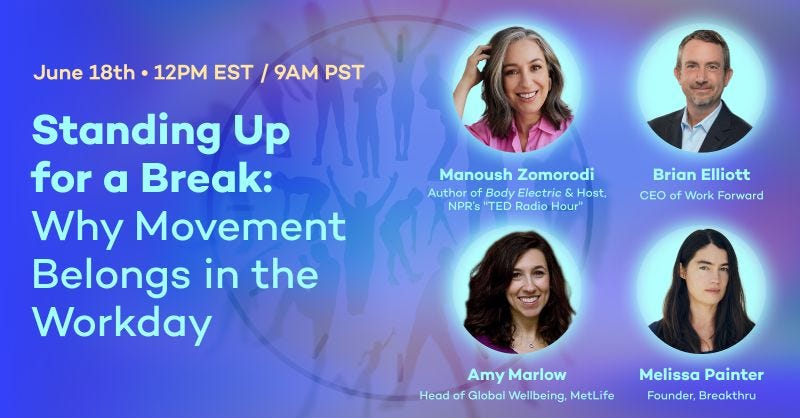
Sitting still six to eight hours a day, without short breaks, raises early-death risk by 17% for men and 34% for women. It's not getting better: tech & AI are now ever-present and ever-demanding.
Two-minute movement breaks can fix that, as well as lift focus for up to two hours afterward. Research found regular break-takers are 13% more productive, and the people who skip breaks are 1.7X more likely to burn out.
Join Brian Elliott, Breakthru CEO Melissa Painter, MetLife Amy Marlow, and TED Radio Hour host and bestselling author Manoush Zomorodi about why movement is having a moment, and why it might matter more than your AI rollout.
Bonus: the first 100 registrants who also attend get a free copy of Manoush’s bestseller, Body Electric!
FLEXPERT INSIGHTS 🧠
Return on Place Stops at the Lobby
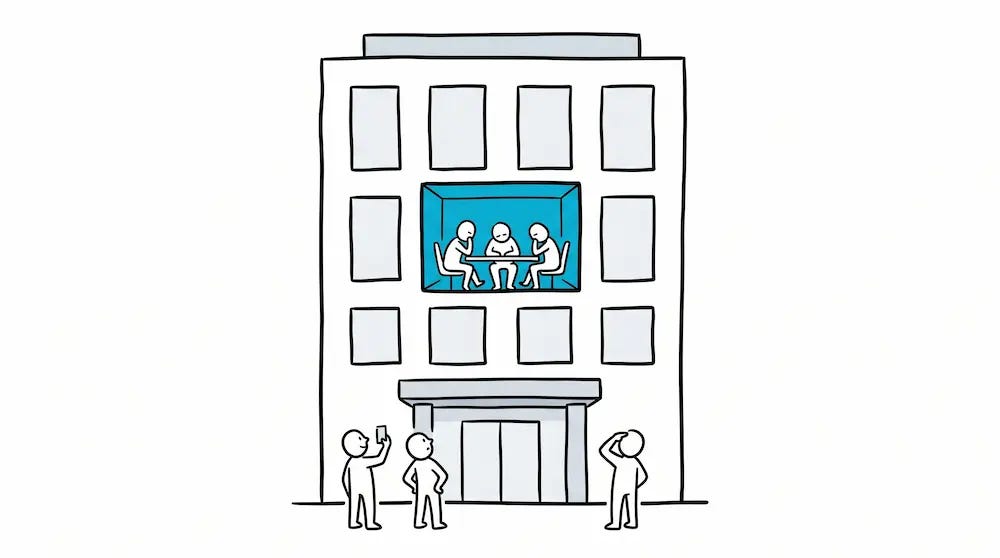
Phil Kirschner breaks down why the HBR report on “knowledge campuses” misses the actual problem. Yes, better districts and buildings matter. But the finest building in the best neighborhood can still hold a miserable team.
The real question isn’t what the lobby promises. It’s what happens upstairs. Who measures whether that office actually creates the collaboration leaders claim? Who owns the data across badge, HRIS, and sentiment? Most companies skip that part entirely. They redesign the stage and call it the performance.
The failure to prove place creates value is a positioning problem. Real estate teams defending budgets can’t ask IT for login data or HR for attrition numbers. The integrated picture lives in the gaps. Until someone crosses those lines, the most magnificent building remains just an expensive building.
This should not become RTO propaganda.
The evidence that isolation is real does not prove that control is the cure.
The better standard is flexibility with connection designed in — especially for people living alone, new workers, young workers and anyone without a strong social base around work.
Remote work without social architecture can quietly turn freedom into private loneliness.
That is the part ordinary people are left to manage alone.
Yes, the problem of loneliness in remote work is real. But the research you've mentioned does not take in consideration the existence of tools like virtual frosted glass meetings (the MeetingGlass app). With such meetings you can have relaxed presence on video and dramatically improve connection with colleagues.