

How Hybrid Fixed Burnout (Sometimes)
Plus, what happens when nobody is assigned an office
👋 Happy Tuesday! A rental listing in Walnut Creek, CA went viral last week: $3,250 a month, plus a $200 WFH fee. Nick Bloom's take was that landlords have it backwards—a tenant working from home has a job and treats the place like an office, so the discount should run the other direction.
In this week’s edition:
📊 It's Not Hybrid. It's Your Managers.
🗞️ Top Flexible Work News
🐙 The Octopus and the Office
Please forward to colleagues and friends!
THIS WEEK’S FLEX FOCUS 🔍
It’s Not Hybrid. It’s Your Managers.
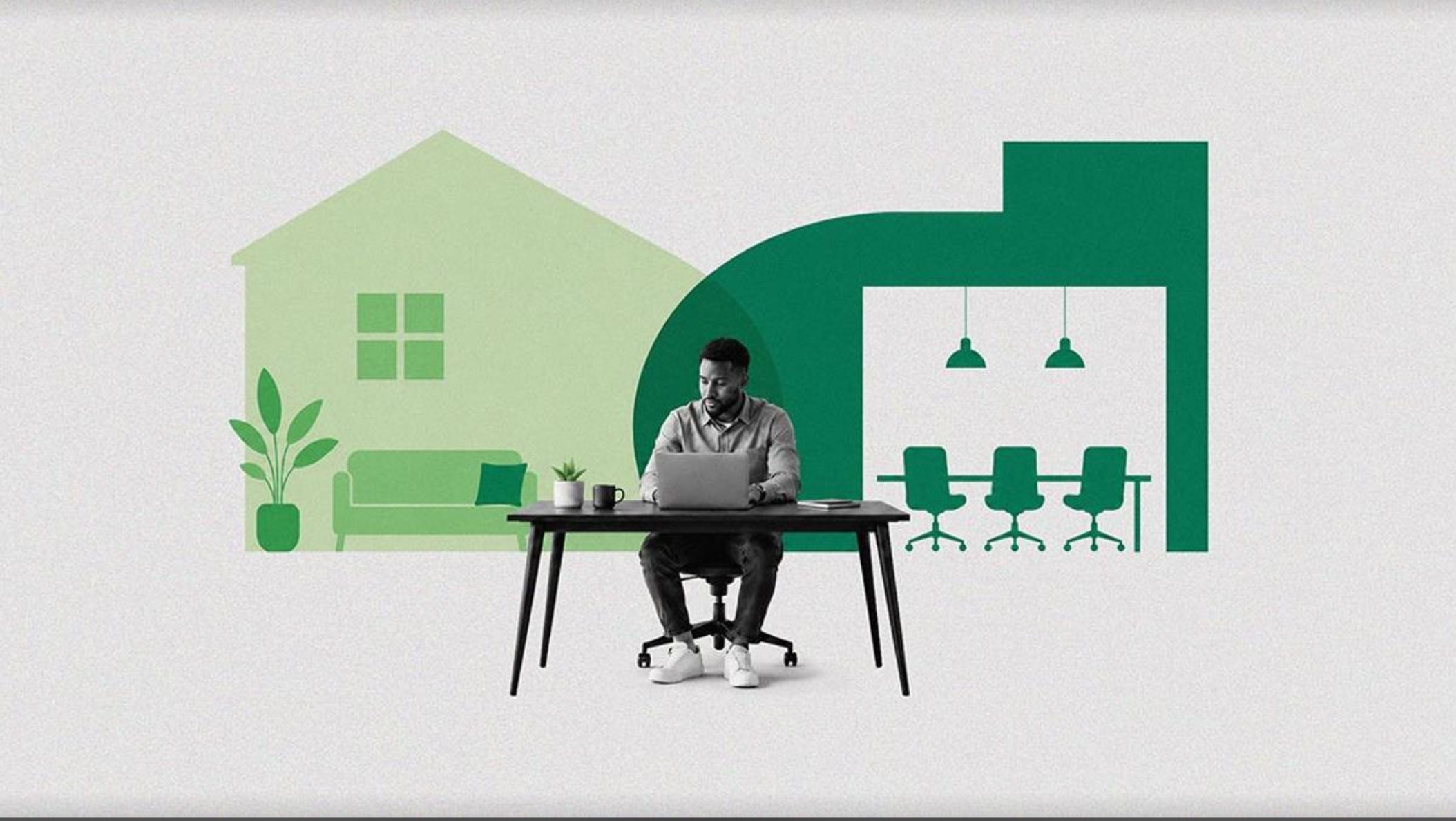
Gallup’s recently published research uncovered a finding that cuts through five years of debate: work location isn’t the primary driver of productivity. Management quality is.
Among remote-capable U.S. workers, 52% are hybrid, 26% fully remote, 22% fully on-site—stable since 2022. Hybrid workers spend 46% of the week on-site, about 2.3 days, essentially flat since 2023 despite sustained pressure to raise it. Hybrid isn’t a transitional state. It’s the dominant model.
What separates the teams that thrive is a plan. Teams with a formal hybrid collaboration plan are 66% more likely to be engaged and 29% less likely to burn out. Nearly half of hybrid workers say their team has never had that conversation at all.
It matters for engagement: when teams set the schedule, 91% call it fair, but when leadership sets it, 73% do.
Setting schedules at the team level also dramatically lowers the odds of burnout. Employees who set their own hybrid schedule are 76% more likely to name burnout as their biggest challenge than employees whose schedule is set by their manager or team. Maximum flexibility without structure creates more strain, not less.
So it isn’t mandates versus autonomy: Both lose. What wins is the team deciding together, and only 11% of employees work on a team that has done the modest amount of work needed.
The office doesn’t fix engagement, but neither does full autonomy. That’s a job for leadership.
FLEX WORK QUICK HITS 💥
Stay ahead of the curve with our curated roundup of the trending flexible work stories making waves right now. Here's what you need to know 👇
HR Brew: As the federal government pulls back remote work accommodations, disability expert Rachel Shaw urges private employers not to follow—for some workers, working from home is a medical necessity.
Fast Company: A FlexJobs survey of 1,700 workers found 78% of women say remote options influence whether they apply, versus 70% of men. Women rank remote work first; men rank compensation first.
Fortune: A new Robin study puts the "office coordination tax"—hunting for rooms, wrangling schedules—at $9M a year for the average mid-sized company, or roughly 10% of the workweek.
FLEXPERT INSIGHTS 🧠
The Octopus and the Office
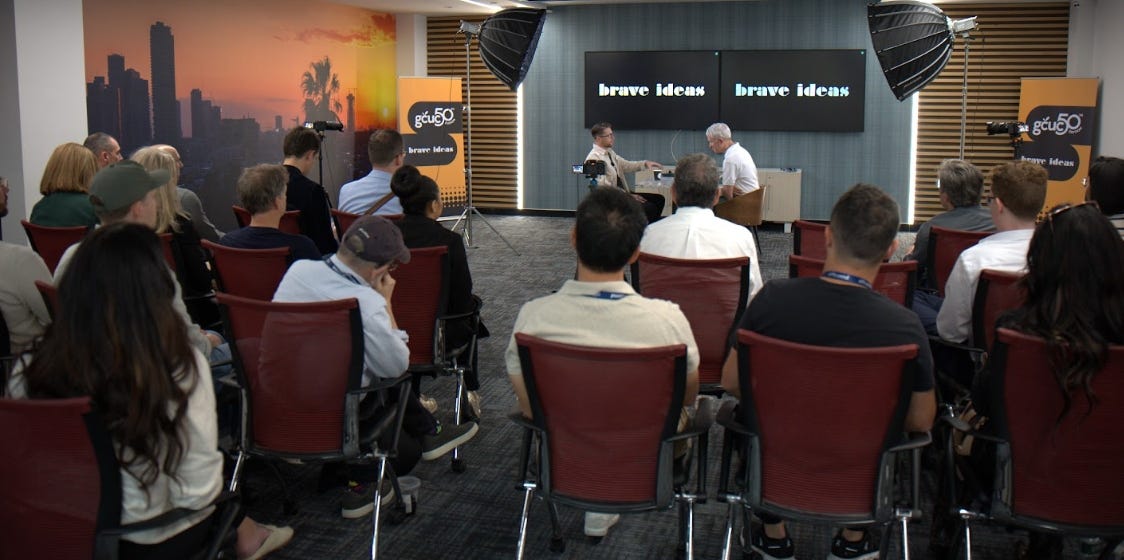
Phil Kirschner joined Caleb Parker on Brave Ideas with a metaphor worth stealing. Two AWS executives wrote a book describing traditional organizations as tin men—rigid, square, slow, needing constant oil just to maintain. The alternative is the octopus: soft, nimble, and smart at the edges. Roughly two-thirds of an octopus’s intelligence sits in its arms, not its brain.
What struck Phil is what the book leaves out. The built environment doesn’t appear at all. Work apparently happens nowhere. That absence is the point: real estate is the most tin-man thing in the org, so the people designing modern companies have stopped accounting for it.
His fix is narrower purpose and real choice. He points to a Colorado medical university facing a shortage of a few hundred private offices. Instead of building a tower, they made an opt-in shared environment—better tech, better coffee, a front desk—and got oversubscribed. Nobody was assigned, but everybody chose.