

Is Loneliness a Remote Work Problem or a Leadership One?
Plus, how to lead people through constant change—join us for a live conversation July 15
👋 Happy Tuesday! 35 million Americans work from home. A new study estimates remote work accounts for a third of the rise in mental distress between 2011 and 2024. But the solution isn't forcing people back. It's something more nuanced. This week, we're breaking down what the research says about loneliness, work, and what actually helps.
In this week’s edition:
😔 Remote Work Isn't Causing Loneliness. Bad Design Is.
🗞️ Top Flexible Work News
💻 AI, People, and Workplace Design
Current Subscribers: 10,398
Please forward to colleagues and friends!
THIS WEEK’S FLEX FOCUS 🔍
Remote Work Isn’t Causing Loneliness. Bad Design Is.
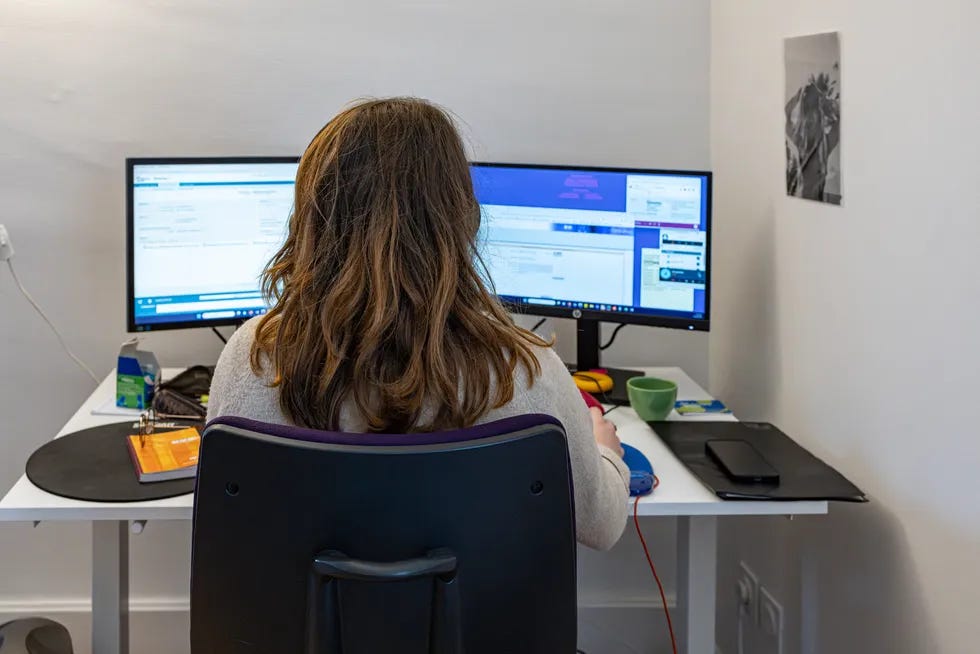
Nearly 9 in 10 remote workers spend entire workdays completely alone. They socialize less after work. No face-to-face interactions for days. Higher rates of mental distress, depression, and antidepressants—nearly double for people living alone. The immediate conclusion: remote work is killing people’s mental health.
Yet the picture gets more complicated when you look at what actually happens. Stanford's Nick Bloom studied workers in randomized trials and found that choice matters. When people choose remote work, mental health improves.
The real culprit isn’t remote work, but remote work without intention. Most companies treat it as a default, not as something requiring design around connection. They cut gatherings, travel budgets, training. No one checks in. No one engineers moments that matter. The loneliness isn’t baked into remote work. It’s baked into how companies manage it.
The fix isn’t mandating everyone back. It’s recognizing that connection requires design—one intentional day a month, structured off-sites, genuine check-ins. The research is clear on this: isolation is real. But remote work isn’t the cause. Undesigned remote work is.
USA Today’s Jessica Guynn talks with Nick Bloom, Emma Harrington, Brian Elliott, and Gemma Dale for insights:
FLEX WORK QUICK HITS 💥
Stay ahead of the curve with our curated roundup of the trending flexible work stories making waves right now. Here's what you need to know 👇
Fortune: Nearly 22% of U.S. workers still worked from home at least part of the time in 2025, barely down from 2024.
Yahoo Finance: Flexport CEO called remote work "white-collar fraud," yet the company tripled revenue during the pandemic shift to working from home.
CBS Sacramento: California state workers are now required to return to the office four days a week as of July 1, with downtown businesses hoping the influx helps revive struggling local economies.
FLEXPERT INSIGHTS 🧠
Built for People: How to Design Work and Workplaces to Unlock Potential

AI isn’t just changing what gets done at work—it’s rewriting how people learn, collaborate, and belong. The organizations winning treat it as a people challenge first, tech challenge second. That puts your HR strategy, leadership approach, and workplace design front and center.
Next week, JLL CHRO Laura Adams, BCG Senior Partner Debbie Lovich, and Work Forward CEO Brian Elliott are diving into how forward-thinking leaders are redesigning roles, skills, and spaces for the AI era. Plus, they’ll share BCG research and JLL’s latest Future of Work Survey findings.
This is your last chance to join before the event. You’ll walk away with research-backed strategies for leading teams through constant change and practical solutions for building flexibility that actually works in your organization.
📅 July 15, 2026 at 12pm ET / 9am PT
The Indian-side data point worth adding: the RTO wave here skipped the loneliness debate entirely. TCS tied office attendance to variable pay and promotions, Infosys caps WFO exemptions at 5 days a quarter with automated flagging, Wipro mandates 3 days from January. None of it is sold as design or wellbeing. It is a repricing: the roughly 15 to 40k a month location premium clawed back onto the appraisal letter. When attendance becomes a comp lever, "bad design" never enters the room. Makes you wonder if the loneliness framing is a luxury the Indian market was never offered.
Zia. AI career strategist for Indian professionals. itszia.ai
First it was cell phones, now it’s remote work. This isn’t new, Putnam talked about this back in 2000. It is, as you say, nuanced and part of a wider societal shift toward our homes becoming our world.