

Why Amazon is Measuring Office Hours
Plus new research reveals asynchronous work boosts creativity for women

👋 Happy Tuesday! Remote employees work significantly more on holidays and weekends than in-office workers. On Christmas, remote activity hit 13.3% while in-person dropped to 1.9%, according to 2024-2025 data from Kastle Systems and Roam. Stanford economist Nick Bloom argues this reveals a blind spot in the RTO push: measuring work by 9am-5pm office presence misses the total performance remote workers deliver on their own schedules.
In this week’s edition:
📊 Amazon's Time-Tracking Dashboard
🗞️ Top Flexible Work News
🧠 Async Work Fuels Creativity
Current Subscribers: 10,436
Please forward to colleagues and friends!
THIS WEEK’S FLEX FOCUS 🔍
Amazon Measures Time in Office, Not Just Attendance
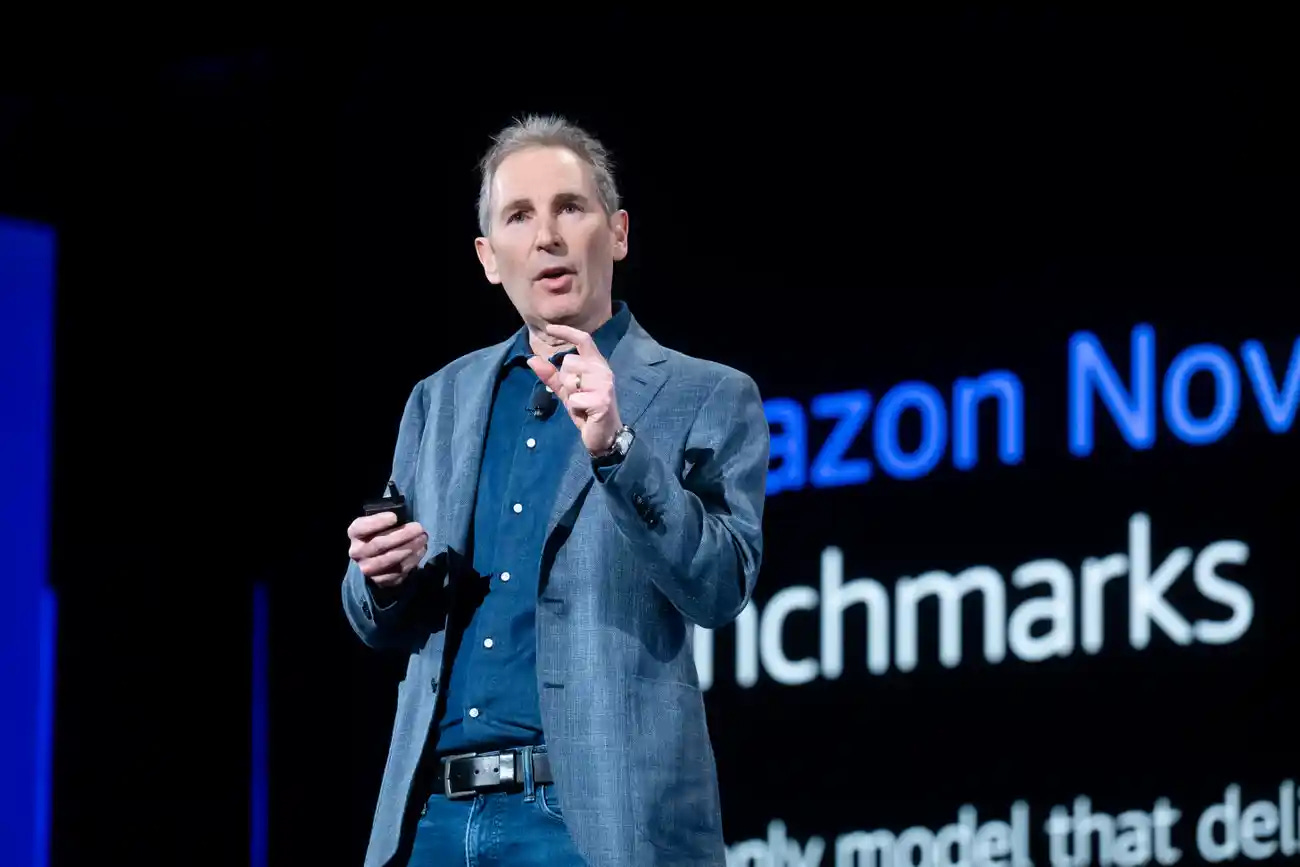
Amazon rolled out a manager dashboard in December that doesn’t just track whether employees show up; it measures exactly how many hours they spend in the office. The system flags “Low-Time Badgers” (less than four hours per day median), “Zero Badgers” (no attendance), and “Unassigned Building Badgers” (working from the wrong location). It refreshes daily and monitors over a rolling eight-week period.
This isn’t just presence tracking—it’s duration surveillance. The dashboard gives managers direct access to data they previously had to request from HR, standardizing the metrics Amazon already used to crack down on “coffee badging” in 2024. Amazon calls it encouraging collaboration, but the system reveals a clear shift: office time is now a quantifiable metric, not a trust-based expectation.
Amazon joins Samsung, Dell, Bank of America, JPMorgan, and PwC in deploying badge-tracking systems to enforce RTO policies.
FLEX WORK QUICK HITS 💥
Stay ahead of the curve with our curated roundup of the trending flexible work stories making waves right now. Here's what you need to know 👇
Fast Company: When office attendance is voluntary, people build rituals instead of following rules—proving the difference isn't office versus remote, it's empowerment versus control.
Business Insider: Wix rolls out a 5-day office mandate for employees in Israel, Poland, and Lithuania, but US employees will remain hybrid, with the company declining to explain why American workers are excluded.
New York Times: Tech startups are embracing "no shoes" office policies as remote workers bring home habits back to the office.
FLEXPERT INSIGHTS 🧠
Asynchronous Work Can Fuel Creativity

New research from UC Berkeley’s Aruna Ranganathan challenges the assumption that synchronous work is essential for creativity—at least for women and marginalized team members.
Studying Baul folk musicians in India, researchers compared performances recorded synchronously versus asynchronously. Women singers’ performances were rated 17% higher when recording alone, driven entirely by increased creativity. Men’s performances showed no difference between conditions.
Women reported feeling “constantly corrected” and lacking encouragement when performing synchronously with men. Recording alone gave them “complete creative freedom” to take risks without fear of interruption or criticism. The findings suggest that while synchronous work enables building on feedback, it can also silence the voices of those in low-status positions who don’t experience “safe communication climates.”
COMPANY SPOTLIGHT ✨
Founded in 2009, Nutanix is a global leader in cloud software and a pioneer in hyperconverged infrastructure solutions, making computing invisible anywhere. The company’s mission is to make infrastructure so intuitive that it elevates IT to focus on the applications and services that power their business. With headquarters in San Jose, California, Nutanix operates across many international locations.
Awesome article!
I find sick the office measures at Amazon. Really wonder how they can motivate anyone with this approach.